
.svg)


.svg)
Short answer: yes, you absolutely can.
And in many cases, winter is actually the smartest time to plan dock construction.
We talk with waterfront homeowners all the time who assume dock construction has to wait until spring or summer. It feels logical. Cold weather, ice, and changing water levels don’t exactly sound like the right conditions to start a building project.
But here’s the key thing most people don’t realize: dock construction is a process, and winter plays a huge role in getting that process right.
When we use winter to plan, design, and prepare, we set ourselves up for a smoother build, fewer delays, and more time enjoying the water when warm weather arrives.
Let’s break it all down.
Why People Think Dock Construction Has to Wait Until Summer
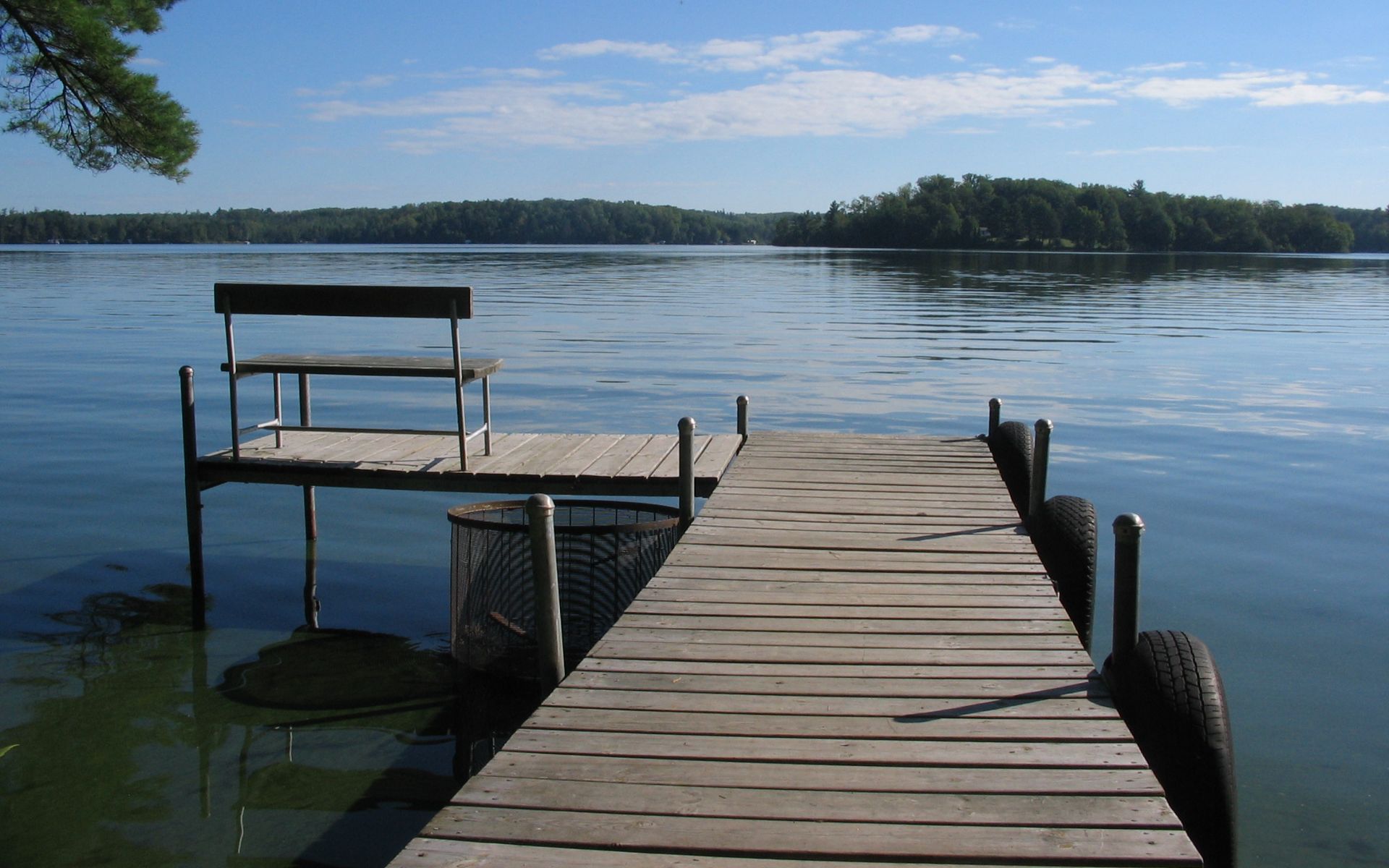
Most of us picture dock construction as heavy equipment, crews working along the shoreline, and pilings being installed in the water.
That mental image leads to one big assumption: nothing can happen until the weather improves.
Winter does bring real challenges:
- Cold temperatures
- Ice and freeze-thaw cycles
- Changing water levels
- Limited shoreline access
Those challenges are real, but they mostly apply to physical installation, not planning. The biggest mistake we see is waiting until spring to start thinking about dock construction, which often leads to rushed decisions and missed opportunities.
What “Planning Dock Construction” Really Means
Dock construction doesn’t start when the first board goes down. It starts with planning, and winter is often the best time to do that work.
Winter planning typically includes:
- Dock design and layout
- Choosing between fixed docks and floating docks
- Selecting decking material and structural components
- Engineering and load calculations
- Permit applications and approvals
- Coordinating contractors and equipment
By the time spring arrives, everything is ready to move forward.
Why Winter Is a Smart Time to Plan Dock Construction
Winter planning gives us an edge that many homeowners miss.
We Beat the Spring Rush
Spring and early summer are peak season for dock builders and marine contractors. Waiting until then often means:
- Longer wait times
- Contractor backlogs
- Permit delays
- Limited material availability
Planning during winter puts us ahead of the rush instead of stuck in it.
We Have Time for Better Design
Winter gives us space to slow down and think clearly. We can design a dock that actually fits how you use your waterfront.
We take time to plan:
- Boat access and tie-up points
- Walkway width and primary platform size
- Seating, ladders, lighting, and accessories
- Shoreline connection points
- Safety and long-term stability
Good dock design comes from thoughtful planning, not last-minute decisions.
What We Can Do for Dock Construction During Winter

Winter is one of the most productive phases of a dock building project.
Dock Design and Layout
This is where everything starts. We determine how the dock fits your shoreline and how it will function day to day.
We work through questions like:
- Is this a boat dock or mainly for swimming and access?
- Should we use a fixed dock or floating dock system?
- How large should the primary platform be?
- Where are the best connection points along the shoreline?
Answering these questions early helps avoid costly changes later.
Fixed Dock or Floating Dock Planning
Winter is the perfect time to choose the right dock system.
Fixed docks often work best when:
- Water levels stay fairly consistent
- The lake or pond bottom is stable
- Long-term rigidity is important
Floating docks are usually better when:
- Water levels change seasonally
- The dock needs to rise and fall with conditions
- Shorelines experience movement
Choosing the right system upfront improves durability and long-term performance.
Materials and Dock System Selection
Material choice matters even more in marine environments than it does on land. Winter planning lets us select materials that can handle water, ice, and long-term exposure.
Common dock materials include:
- Composite decking for low maintenance and durability
- Wood for a traditional look
- Aluminum for lightweight strength and corrosion resistance
- Steel and concrete for anchoring and structural stability
- Dock floats designed to handle load and weight
Winter planning gives us time to consider how materials will perform through freeze-thaw cycles and water movement.
Permits, Engineering, and Regulations
Permits are one of the biggest reasons to start dock construction planning in winter.
Depending on location, dock projects may involve:
- Shoreline and environmental regulations
- Water quality considerations
- Federal permits for navigable waters
- Engineering reviews for safety and load requirements
Permits can take weeks or months. Starting in winter helps avoid delays that can push construction late into summer.
Benefits of Planning Dock Construction in Winter
When we plan early, the benefits add up fast.
Avoid Delays
Everything is ready when conditions improve, so construction can begin sooner.
Cost Savings
Off-season planning can lead to better pricing on materials, shipping, and scheduling.
Less Stress
Winter planning removes pressure and gives us time to make smart decisions.
Early Summer Use
The biggest benefit is simple. Your dock is ready earlier, giving you more time to enjoy the water.
What Usually Waits Until Warmer Weather
Not everything happens in winter, and that’s okay.
Most heavy construction waits for:
- Safer water conditions
- Improved shoreline access
- Stable water levels
This includes:
- Driving pilings
- Anchoring systems
- Full dock installation
Winter planning ensures these steps happen smoothly when the time is right.
Winter Considerations We Always Plan For
Cold weather brings unique challenges, and planning helps us handle them before they cause problems.
Ice and Freeze-Thaw Cycles
We select materials and dock systems that can withstand seasonal movement.
Water Movement and Waves
Winter storms increase water movement, so stability and anchoring matter.
Protecting Existing Docks
For existing docks, we may recommend bubblers or de-icers to reduce ice damage and protect against property damage.
Safety is always part of the plan.
How Dock Construction Connects to Deck Building
A dock is essentially a deck built for water. The construction principles are similar, but the environment adds complexity.
Both rely on:
- Structural framing
- Decking installation
- Hardware and fasteners
- Load and safety planning
Dock construction adds marine conditions, water levels, and anchoring systems to the mix. That’s why experience with outdoor structures matters so much.
When Dock Construction Typically Begins After Winter Planning
Once winter planning is complete, construction can begin as soon as conditions allow.
Because everything is already decided, we avoid:
- Waiting on permits
- Redesigning mid-project
- Material delays
This approach often means the dock is ready right as summer starts.
Is Winter Planning Right for Your Dock Project?
Winter planning is a great fit if:
- You want a custom dock design
- Water levels change throughout the year
- Permits are required
- You want to avoid peak-season delays
- You want your dock ready as early as possible
Even smaller dock building projects benefit from early planning.
Winter Is the Start of Smart Dock Construction
So can you really plan dock construction during winter? Yes, and it’s often the best way to do it.
Winter isn’t downtime. It’s the foundation of a successful dock project. By planning now, we reduce stress, improve results, and make sure your dock is ready when warm weather returns.
Ready to Plan Your Dock Construction?
If you’re thinking about building a dock, winter is a great time to start planning.
At Legacy Decking, we approach dock construction the same way we approach deck projects: we plan first, design carefully, and choose materials that are built to last outdoors.
A dock is essentially a deck built over water, so our experience with layout, structure, and decking systems translates naturally to waterfront projects. We also help you understand dock system options, handle permits, and prepare everything so construction can begin as soon as conditions allow.
Contact Legacy Decking to start planning your dock construction project.
Starting early means fewer delays and more time enjoying your waterfront when warmer weather arrives.
FAQs
How do you build a dock on a lake that freezes?
Building a dock on a freezing lake starts with smart planning. We choose dock systems designed to handle ice, such as floating docks that can rise and fall with water levels or fixed docks engineered for freeze-thaw cycles.
Materials, anchoring methods, and water movement are all considered during planning, while installation usually happens when conditions are safe in warmer months.
Can dock construction really be planned during winter?
Yes. While full installation often waits for better weather, winter is an ideal time to plan dock construction. Design decisions, permits, engineering, material selection, and scheduling can all happen in winter so construction can begin as soon as conditions allow.
Is it better to build a dock in winter or summer?
Planning is better in winter, while installation is usually better in spring or summer. Winter planning helps avoid contractor backlogs, speeds up permits, and leads to smoother construction once water and ground conditions improve.
What type of dock is best for freezing conditions?
Floating docks are often a good choice for lakes that freeze because they adjust to changing water levels and ice movement. Fixed docks can also work if they are engineered properly for local conditions. The best option depends on water depth, shoreline conditions, and seasonal changes.
Does ice damage docks during winter?
Ice can damage docks if they are not designed or prepared properly. That’s why winter planning focuses on materials, anchoring systems, and dock floats that can withstand ice pressure. For existing docks, de-icers or bubblers may help reduce ice damage.
What materials are best for docks in cold climates?
Durable materials like composite decking, aluminum framing, steel hardware, and high-quality dock floats perform well in cold climates. These materials resist moisture, rot, and freeze-thaw damage better than standard wood alone.
Do you need permits to build a dock on a lake?
In most cases, yes. Dock construction often requires local shoreline permits and, in some areas, federal approvals. Starting the permit process in winter helps avoid delays that could push construction later into the season.
Can winter planning really save money on dock construction?
Yes. Planning during the off-season can lead to cost savings through better scheduling, reduced rush fees, and early material ordering. It also helps avoid expensive last-minute design changes during peak construction season.


.svg)
.svg)




.svg)