
.svg)


.svg)
Planning a deck rebuild in Marysville often brings up one big question: what’s the real cost difference between rebuilding with wood and upgrading to composite decking? It’s something we talk about with homeowners all the time—especially when an existing deck starts showing signs of rot, worn deck boards, or deeper structural issues that make simple repairs impossible.
And when you're preparing for a big project that shapes your outdoor living space, you deserve clear guidance, not guesswork.
In this guide, we’ll walk through exactly what to expect when comparing the cost of a wood deck rebuild versus a composite deck rebuild in Marysville.
You’ll find real pricing insights, long-term maintenance considerations, local building code requirements, and the key factors that help you choose materials with confidence.
By the end, you’ll have a solid understanding of which option aligns with your goals, your budget, and the way you want to use your outdoor space, so you can move forward without surprises.
What a Deck Rebuild Really Means (And Why Many Marysville Homeowners Need One)
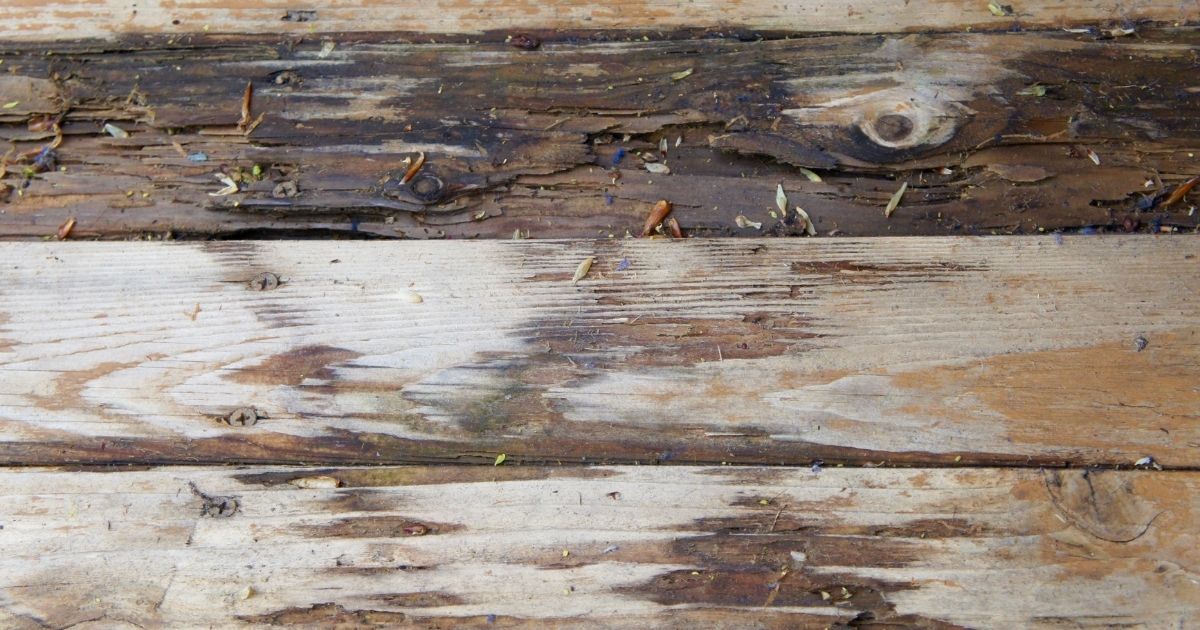
A deck rebuild is more than replacing a few boards. In most cases, once we start to inspect an old deck, we uncover deeper issues: rot hiding under the surface, failing posts, spongy joists, loose handrails, or a weakened ledger board.
And when these structural elements have started to break down, a complete rebuild becomes the safest and most cost-effective solution.
Many existing decks in Marysville suffer from:
- Water damage caused by our wet PNW climate
- Structural rot around beams, posts, or ledger connections
- Loose or rusted deck screws
- Boards that no longer shed water properly
- Old wood that has simply reached the end of its lifespan
A rebuild is also the perfect opportunity to redesign your outdoor space, add features like built-in seating, upgrade your railing system, or expand the usable surface of your deck.
Whether you’re replacing an entire deck or just the surface and railing, understanding costs upfront makes planning much easier.
The Cost of Rebuilding a Wood Deck in Marysville

Let’s start with wood—because it’s the material many homeowners compare everything else against.
Pressure-Treated Lumber: The Budget-Friendly Option
If you're looking for the most economical route, pressure treated lumber (PT wood) typically costs $14–$20 per square foot installed here in Snohomish County. It’s widely available, relatively durable, and familiar to most contractors.
But there’s a trade-off.
While PT wood is cheaper upfront, it requires ongoing maintenance—sealing, staining, repairing soft spots, and replacing boards that warp over time. In the long run, the lifetime cost adds up fast.
Cedar & Redwood: The Premium Wood Choices
If you're after a more natural look and better visual appeal, cedar and redwood are popular upgrades. In Marysville, these run about $25–$35+ per square foot installed.
Homeowners love cedar for its warmth, smell, and natural resistance to insects, but it still requires regular maintenance. Redwood offers similar benefits but is typically more expensive.
Wood costs also vary depending on market availability, lumber grade, and the size of your project.
What Affects Wood Deck Rebuild Cost?
Here’s where many homeowners are caught off guard.
A wood deck rebuild may require:
- Replacing joists or beams weakened by rot
- New posts, footings, or connections
- Bringing the deck up to current building codes
- Fixing code violations from older decks
- Upgrading construction hardware like lag screws, brackets, and joist hangers
If your old deck was built without proper flashing or water protection, we often notice rot around the ledger board—one of the most critical structural pieces of the entire deck.
These structural repairs directly impact cost and are more common than most homeowners expect.
The Cost of Rebuilding a Composite Deck in Marysville
Now let’s talk about composite decking—the material known for being extremely durable and low maintenance.
Composite decking doesn’t splinter, warp, or rot the same way wood does, and it doesn’t require sanding, staining, or sealing ever.
Composite Rebuild Pricing
For a composite deck rebuild in our area, here’s what you can expect:
- $20,000 — Low Composite Deck (12x12 ft)
- $38,000 — Premium Composite Deck (20x14 ft)
- $70,000 — High-End PVC Deck (36x16 ft or 500+ sq ft)
These numbers align perfectly with the broader $29–$60+ per square foot range typically seen for composite installations in Snohomish County.
Why Composite Costs More Upfront
Composite uses engineered composite materials and composite deck boards that take more precision to install. The boards are heavier, and the framing sometimes needs reinforcement to support them.
That means:
- Higher material cost
- More detailed labor
- Upgraded railing and handrail systems
- Longer-lasting surface finishes
But here’s the big difference: composite is designed to save money over time.
Long-Term Value of Composite Decking
If you plan to stay in your home longer than 5–10 years, composite becomes the more cost-effective choice.
You won’t need to:
- Replace warped boards
- Sand or stain anything
- Worry about rot
- Struggle with cracked or splintering lumber
Your maintenance routine becomes—literally—just rinsing the deck when it gets dirty.
When you factor in these lifetime savings, composite often ends up being less expensive than wood over the long term.
Wood vs Composite: What’s the Real Cost Difference in Marysville?
Here’s a clean comparison to help you visualize the two options:
If we apply these ranges to an average deck (say, 300 sq ft):
- PT wood rebuild: ~$4,200–$6,000
- Cedar/redwood rebuild: ~$7,500–$10,500+
- Composite rebuild: ~$8,700–$18,000+
- PVC rebuild: $13,500–$21,000+
But remember—this doesn’t include structural work. Many Marysville homes need:
- New footings
- Upgraded beams and joists
- Stronger frame systems
- Additional safety measures
Once these are added, the total cost increases for all materials, but wood continues to require the most maintenance over time.
Hidden Costs Homeowners Often Miss
When rebuilding a deck, most of the cost doesn't actually come from the surface boards, it’s the structure underneath.
Structural Repairs
We often find:
- Soft or rotten joists
- Cracked or undersized beams
- Posts buried directly in the ground with no protection
- Old hardware failing due to rust
- Improper load paths
Fixing these issues is mandatory if we want the deck to be code compliant and structurally sound.
Add-On Features That Increase Cost
Some of the most popular upgrades in Marysville include:
- Built-in seating
- Modern railing system designs (aluminum, cable, composite)
- Wider stairs or landings
- LED lighting built into stairs or railings
- Privacy screens
- Custom borders using new composite decking
These features improve safety and comfort and can transform the deck into a true outdoor living space, but they can add to the project cost.
How to Choose the Right Material for Your Deck Rebuild
This is where your goals matter most.
Choose Wood If You Want:
- The lowest upfront cost
- A natural aesthetic
- A DIY-friendly material for future adjustments
- A short-term solution
Choose Composite If You Want:
- Long-lasting durability
- A low-maintenance deck
- Protection from rot and moisture
- A deck surface that stays beautiful for decades
- A stress-free rebuild with strong materials and reliable performance
Choose PVC If You Want:
- The highest level of rot and moisture resistance
- A premium, modern look
- Maximum durability for heavy-use outdoor spaces
What to Expect During a Deck Rebuild in Marysville
Here’s what usually happens when we rebuild a deck:
1. Inspection & Structural Assessment
We look at the frame, joists, posts, beams, and ledger board to see what needs replacing.
2. Detailed Planning & Material Selection
We help you choose materials that match your needs, budget, and style.
3. Permits & Building Codes
We ensure the project meets all local building codes in Marysville, preventing future issues or code violations.
4. Tear-Out of the Old Deck
We remove the old deck, including boards, hardware, and damaged structural elements.
5. Rebuilding the Frame
This includes installing solid footings, new construction hardware, and new load-bearing beams.
6. Installing Deck Boards & Railing
Your new deck starts to take shape with your chosen deck boards, railing style, and surface features.
7. Final Inspection & Walkthrough
We verify structural integrity, safety, and performance before turning your outdoor space back over to you.
Final Thoughts: What Marysville Homeowners Should Expect
If you’re deciding between wood and composite for your deck rebuild, here’s the simplest way to break it down:
- Wood is cheaper at the start, more expensive long term.
- Composite costs more upfront but saves you money over time.
- PVC offers the best durability but at a premium price.
And because Marysville and the larger Snohomish County area get so much moisture, composite tends to offer the best long-term performance for most homeowners.
A deck rebuild is a big project, but when done right, it protects your home, boosts your property value, and gives you a beautiful, solid outdoor space you’ll enjoy for years.
If you'd like help comparing materials or want a personalized quote based on your deck’s condition, feel free to reach out—we’re happy to walk you through the process step-by-step.
FAQs
1. How much does it cost to rebuild a deck in Marysville?
A deck rebuild in Marysville typically ranges from $14 to $20 per sq ft for pressure treated wood, $25 to $35 or more per sq ft for cedar or redwood, and $29 to $60 or more per sq ft for composite decking.
Costs increase when structural elements like joists, beams, posts, or the ledger board must be replaced to meet local building codes and ensure structural integrity.
2. Is composite decking worth the higher cost during a deck rebuild?
Composite decking is often worth the investment because it provides low maintenance durability and strong resistance to rot and water damage.
Wood may cost less at the start, but composite materials usually become more cost effective over the lifespan of the deck due to reduced repairs and no need for staining or sealing.
3. What is the cheapest way to rebuild a deck?
The cheapest way to rebuild a deck is to use pressure treated lumber, which averages $14 to $20 per sq ft installed. This keeps the initial cost low, but long term maintenance for sealing, staining, and repairing rot often makes wood more expensive over time compared to composite decking.
4. How do I know if my deck needs a complete rebuild instead of repairs?
Your deck may need a complete rebuild when you see rot in joists or beams, a failing ledger board, soft deck boards, unstable posts, loose handrails, or widespread water damage.
When key structural elements are compromised or the deck cannot meet updated building codes, repairs become unsafe and more costly than a full rebuild.
5. Does replacing deck boards only count as a deck rebuild?
Replacing deck boards alone does not count as a full rebuild. A true deck rebuild involves inspecting and updating core structural components such as joists, beams, posts, hardware, and footings.
If the frame is still sound and meets code, resurfacing with new composite decking or wood may be possible. Structural failures require a complete rebuild.
6. What affects the labor cost of rebuilding a deck?
Labor cost depends on material choice, framing repairs, deck size, stair design, railing upgrades, and the amount of demolition required.
Composite deck boards often need more precise carpentry skills and specialized tools, which increases installation time. Elevated decks or those with added features also require more labor hours.
7. Do I need a permit to rebuild a deck in Marysville?
Yes. Most deck rebuilds in Marysville require a building permit, especially when stairs, railings, posts, footings, or other structural elements are being replaced.
The city must confirm that the deck meets local building codes, safety standards, and load requirements. Building without a permit can lead to costly code violations.
8. Which lasts longer: a wood deck or a composite deck?
A composite deck usually lasts 25 to 50 years, while wood decks commonly last 10 to 20 years depending on maintenance.
Composite materials resist rot, fading, moisture, and water damage more effectively than wood, which makes composite decking the longer-lasting and more low-maintenance option for most homeowners.


.svg)
.svg)


.svg)