
.svg)


.svg)
If you are planning a new deck, you may already be scrolling through search results trying to decide if it makes more sense to build it yourself or hire a decking contractor. We know the feeling.
When you look at material prices, tools, labor, and the long list of small elements that go into a complete project, the choice can feel overwhelming.
Our goal is to help you sort through the real costs so you can feel clear, confident, and ready to create a beautiful outdoor space that actually saves you money in the long run.
In this post, we'll walk through real cost comparisons, long term value, hidden risks, and what homeowners in King and Snohomish counties can expect per square foot.
By the end, you should have a strong sense of the option that complements your home, yard, style, budget, and vision for your dream deck.
Understanding the Real Cost of a Deck Today
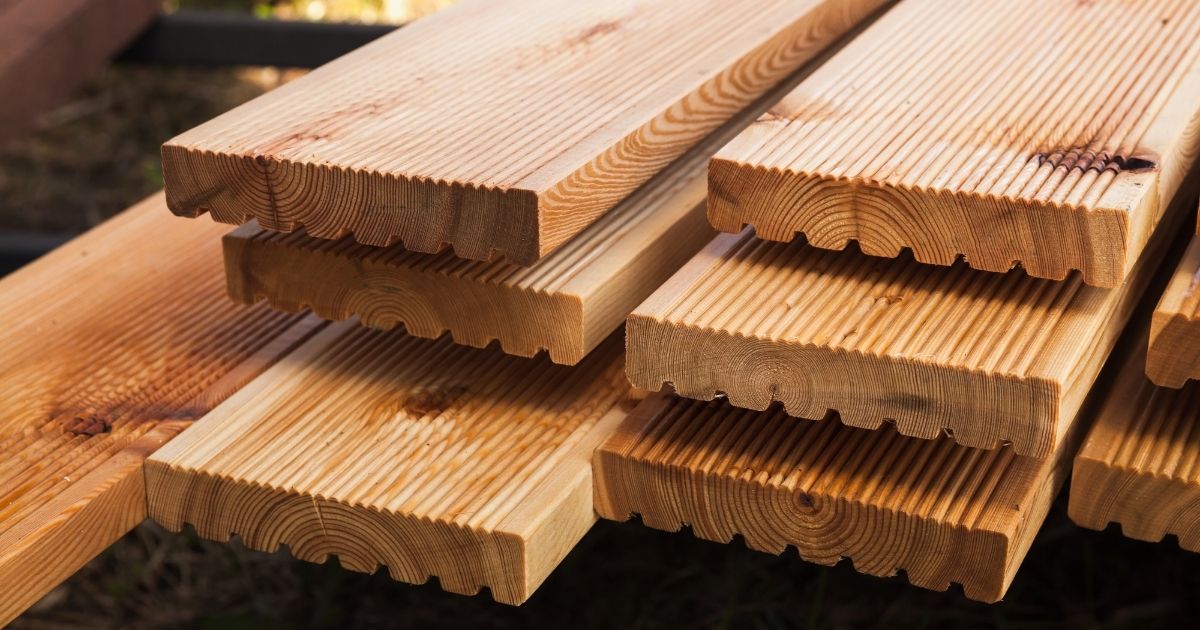
A deck is one of the most rewarding projects you can bring to your home. It connects your indoor living to your backyard, opens up space for entertaining, and gives you a place to relax at the end of the day.
Still, cost matters and it can shift based on your location, access to tools, jobsite conditions, and the type of materials you select.
In King and Snohomish counties, a DIY deck for around 300 square feet usually falls between 2,250 and 7,500 dollars for materials.
A professionally built deck from a contractor in this region typically starts at 20,000 dollars and ranges up to 70,000 dollars or more for premium designs, larger areas, PVC materials, custom railing, and integrated features.
These ranges reflect the actual market in Washington State for small composite decks, premium mid size builds, and large custom PVC projects.
What Goes Into the Total Cost of a Deck

Materials That Build the Structure
Materials include deck boards, framing, hardware, railing, footing concrete, and sometimes glass if you prefer an open view. The cost of materials rises with higher class products, longer life expectancy, and richer colors.
A deck contractor may also have dealer pricing that reduces material cost for you.
Your deck design, including elements that connect to patios or your yard, has a strong impact on the final number.
Labor and Jobsite Requirements
Labor is the biggest difference between a DIY build and hiring a contractor.
Labor in our region is high because professional installers bring expertise, quality, safety, and skill. They use methods that extend deck life in our Pacific Northwest climate.
Jobsite access, slope, soil conditions, and design complexity add or reduce required labor. A straightforward deck costs less to install. A complex deck with stairs, lighting, benches, or specialty railing requires more time and support.
DIY Deck Building: Pros, Costs, and Hidden Risks
Pros of DIY Deck Building
- Lower upfront cost focused on materials only
- Full control of the build, design, layout, and color
- A sense of peace and personal pride from completing your own project
- Flexible timeline that fits your schedule
Real Costs of a DIY Deck
Here is what homeowners can expect at current pricing:
- 2,250 to 7,500 dollars for deck boards, framing, railing components, and fasteners
- Tool rental or purchase costs that add to the total
- Higher material prices if you do not have dealer discounts
- Delivery fees for large materials
Time is also a major factor. A DIY deck can take several weekends or longer, depending on your skill level and the size of your yard.
Hidden Risks That Increase Long Term Costs
DIY can be satisfying, but it also comes with risks:
- Structural mistakes that shorten deck life
- Incorrect footing depth or spacing
- Railing issues that create safety concerns
- Early repair needs due to small omissions
- No warranties or professional support
Hiring a Decking Contractor: Pros, Costs, and Long Term Value
Pros of Hiring a Contractor
- Professional installation that supports long lasting performance
- Less personal time and effort required
- Warranties and clear terms that give you peace
- Better materials, dealer pricing, and higher class products
- A complete job from layout to final inspection
- Accurate installations that avoid early damage
Costs to Expect When Hiring a Contractor
Based on Legacy Decking’s pricing, here is the real range:
- 20,000 dollars for a small composite deck (around 144 square feet)
- 38,000 dollars for a mid sized premium composite deck (around 280 square feet)
- 70,000 dollars or more for large custom PVC decks up to 500 square feet that include drink railing, lighting, and integrated seating
Labor rates in Washington often fall between 85 and 160 dollars per hour, which reflects the expertise and hands on skill required to meet regional standards.
Long Term Value and Peace of Mind
Contractor built decks usually last longer due to higher quality materials and professional installation. You also get support through warranties, customer service agents, and clear documentation.
This reduces long term repair costs and protects your investment.
Side by Side Cost Comparison for DIY and Contractor Builds
Initial Cost Differences
Long Term Repair and Maintenance Costs
DIY decks often need repairs earlier due to installation errors or skipped steps. Professional decks use stronger materials and proper spacing, which extends their life and reduces maintenance.
Common DIY issues include:
- Loose deck boards
- Uneven railing
- Settling footings
- Fasteners that corrode early
Regional Conditions That Influence Cost
King and Snohomish counties have unique conditions such as heavy rain, moisture, and soil variations. These add stress on outdoor structures and make expert installation even more important.
Which Option Actually Saves More
DIY saves more upfront. If your main goal is lowering the initial number and you have the skills and time to build safely, DIY may be the right fit.
Hiring a contractor saves more long term. A well built deck lasts longer, stays safer, and avoids the hidden costs that come with early repair or replacement.
You save long term with a contractor if:
- You want a deck with 20 to 30 year performance
- You prefer strong structural support and safe railing
- You want warranties
- You use your outdoor space often and want reliable quality
Legacy Decking pricing reflects the level of craftsmanship, design, and support you receive. The investment is higher, but so is the long term value.
A Simple Checklist to Help You Choose
Choose DIY if you:
- Enjoy building
- Have tools or access to them
- Feel confident reading plans
- Want tight control over style and design
- Have a simple yard and layout
Choose a Contractor if you:
- Want a safe and long lasting deck
- Prefer professional installation
- Want warranties
- Have a complex layout or slope
- Need railing, lighting, or custom features
- Want a complete project handled from start to finish
Final Thoughts: Building a Deck That Complements Your Home
Building a deck brings new life to your outdoor space and creates a beautiful area to gather, relax, and enjoy your yard. The best choice is the one that aligns with your skills, time, and long term goals for your home.
DIY can save you money upfront, but a contractor can save you stress and long term repair costs. If your goal is a dream deck that performs for decades, a decking contractor might be the better partner.
If you want help understanding your options or want a quote based on your location and deck size, we are here to support you.
FAQs
1. Should I DIY or hire a contractor for a new deck?
Choosing between DIY and hiring a contractor depends on your skill level, budget, and the complexity of the design.
A contractor acts as both a builder and project manager, ensuring code compliance, permitting, structural safety, and long-term durability. DIY may save money upfront, but professionals often deliver higher-quality results that reduce the need to replace materials later.
2. How much does a DIY deck typically cost?
A DIY deck typically costs $10–$30 per square foot, depending on materials, tools, and delivery fees tied to your current location.
Homeowners often find that costs increase when they need to replace incorrect cuts, purchase specialty hardware, or rent equipment. It’s important to factor in both time and learning curve when comparing DIY to professional installation.
3. Is it more expensive to hire a contractor?
Hiring a contractor usually costs more upfront, but the investment often pays off. Contractors act with precision, follow building codes, and deliver structurally sound work designed to last.
While DIY appears cheaper, professional labor reduces errors, prevents safety issues, and avoids future expenses depending on how quickly a DIY deck might need repairs or replacement.
4. How do I find the right contractor for my deck project?
To find the right contractor, look for licensed and insured professionals with strong local reviews and a portfolio of completed deck projects in your current location.
It’s important to ask about warranties, materials, timelines, and how the contractor acts when unexpected issues arise. A transparent approach often signals a reliable builder.
5. What factors can increase the cost of a DIY deck?
DIY deck costs rise depending on material choice, slope or soil conditions, structural requirements, fasteners, and tool purchases. It's important to plan ahead—many homeowners find they need to replace boards or framing if mistakes occur during installation.
6. Can I replace my old deck myself?
You can replace an old deck yourself, but only if the structure is safe to work on and you’re comfortable assessing rot, ledger attachment, and local code requirements.
A contractor acts as an expert in evaluating what must be replaced versus what can stay, which is important for long-term safety and value.
7. What are the risks of DIY deck building?
DIY deck building carries risks depending on experience: improper footings, structural instability, inaccurate load calculations, and code violations. These issues can lead to costly repairs or the need to replace the deck sooner than expected.
It's important to understand that a deck acts as a load-bearing structure—not just a weekend project.
8. Does my current location affect deck pricing or feasibility?
Yes. Your current location affects labor rates, permit costs, lumber availability, and delivery fees. Climate also acts as a major factor; areas with heavy rain, snow, or moisture may require specific materials or installation techniques.
This is important when comparing DIY costs to contractor estimates, depending on regional requirements.


.svg)
.svg)



.svg)