
.svg)


.svg)
If you own a dock, you already know it takes a beating from the elements. Weather and water never take a day off, and over time, even a well-built dock will show signs of wear.
We see this firsthand every season. Homeowners reach out after noticing cracks, loose boards, or safety risks that seemed small at first but grew into bigger dock repair problems.
In this guide, we walk through nine common dock repair issues caused by weather and water, explain why they happen, and share practical tips to help you spot problems early.
Our goal is to help you protect your dock’s life, avoid costly surprises, and feel confident about when to repair, upgrade, or replace parts of your current dock.
Why Weather and Water Cause Dock Repair Issues
Docks live in one of the harshest environments imaginable.
Constant moisture, changing water levels, sun exposure, wind, ice, and storms all work together to break materials down over time. Even high-quality dock construction cannot eliminate wear completely.
Several factors influence how quickly dock repair becomes necessary:
- Dock material, such as wood, aluminum, or concrete
- Water type, including lakes and varying water conditions
- Climate and season, especially freeze-thaw cycles
- Age of the dock and how well it has been maintained
Regular maintenance can extend a dock’s lifespan, but ignoring small issues often leads to significant damage.
1. Wood Rot and Decay in Wooden Docks
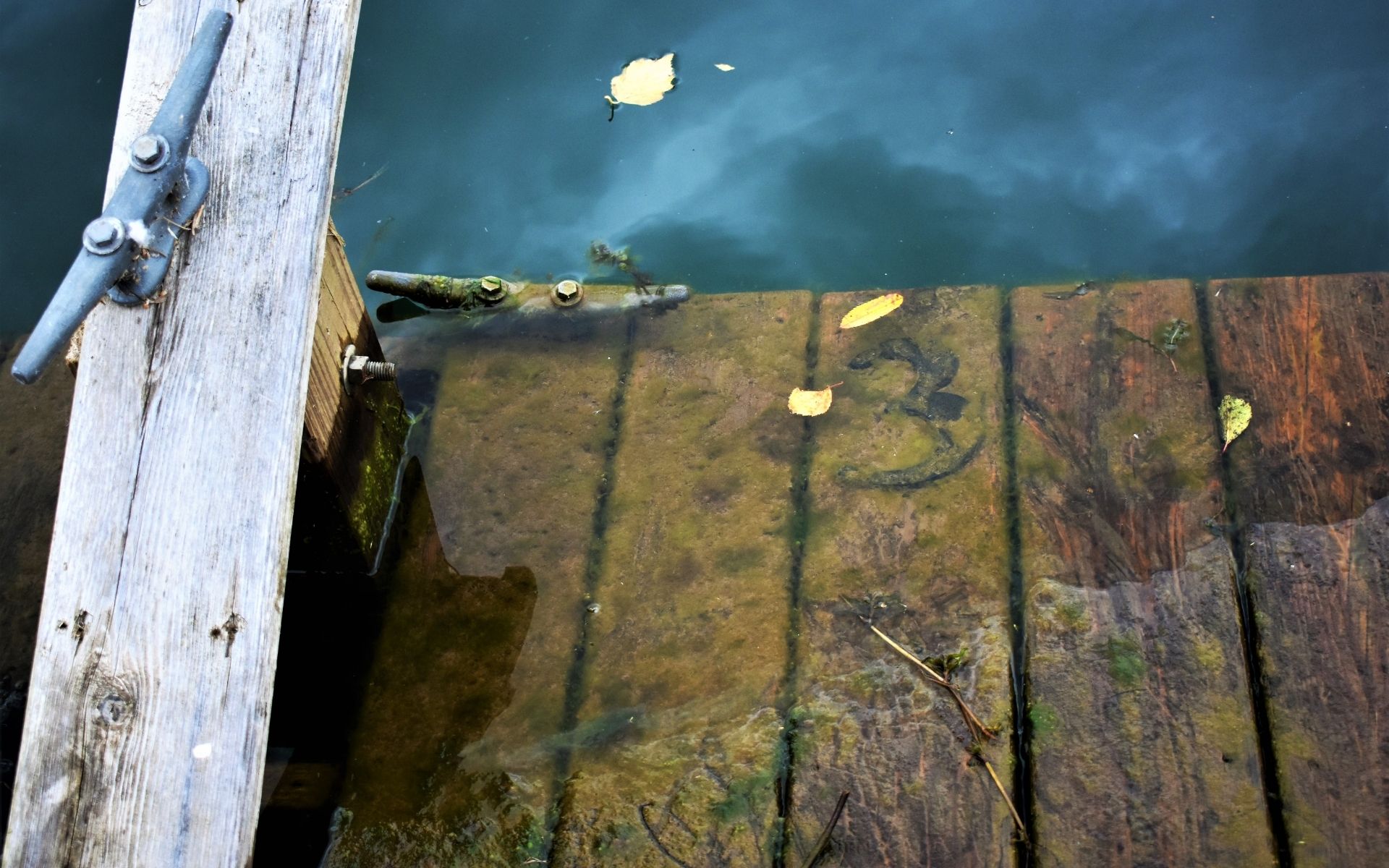
Wooden docks are popular for their natural look, but they are also more vulnerable to moisture damage. Constant exposure to rain, humidity, and lake water creates ideal conditions for rot.
Signs to watch for
- Soft or spongy deck boards
- Discoloration or dark patches
- Cracks that continue to spread
- Boards that crumble under pressure
Wood rot weakens the dock from the inside out. What starts as minor repairs can quickly compromise the entire structure if left unattended.
What helps: replacing damaged boards early, improving airflow, and scheduling regular inspections to extend the dock’s life.
2. Rust and Corrosion on Metal Components
Metal fasteners, brackets, frames, and boat lift parts are constantly exposed to moisture. Over time, this leads to rust and corrosion.
Common problems
- Rusted bolts and screws
- Weakening brackets and joints
- Corroded dock lift cables or frames
Aluminum generally resists corrosion better than steel, but no metal is immune. Rust reduces strength and creates serious safety risks.
Our recommendation: replace corroded hardware promptly and upgrade to corrosion-resistant materials when possible.
3. Cracking and Warping From Temperature Changes
Temperature swings put stress on dock materials. Wood expands and contracts, while concrete and composite materials respond differently to heat and cold.
Causes
- Freeze-thaw cycles forcing water to expand inside materials
- UV exposure drying and weakening surfaces
- Moisture changes leading to warping
Cracks allow water to penetrate deeper, accelerating damage and shortening lifespan.
4. Shifting or Unstable Dock Structures
Water movement constantly changes the environment beneath a dock. Erosion, fluctuating water levels, storms, and ice can shift foundations and frames.
Common issues
- Soil erosion around pilings
- Ice pushing against stationary docks
- Floating docks with damaged or waterlogged floats
Structural instability places stress on every connection point and should never be ignored.
5. Loose or Missing Hardware
High winds, waves, and daily use slowly loosen bolts, screws, and nails.
Warning signs
- Wobbly handrails
- Deck boards that shift underfoot
- Gaps forming between dock sections
Loose hardware is often a sign of deeper structural issues and creates immediate safety risks.
6. Algae and Marine Growth Buildup

Warm water and humidity encourage algae, moss, and marine growth on dock surfaces.
Why it matters
- Creates slippery, unsafe walking areas
- Hides cracks, rot, and damage
- Accelerates material breakdown
Regular cleaning and maintenance help prevent these issues and improve overall safety.
7. Storm and Impact Damage
Severe weather can damage docks quickly. Strong winds, waves, ice, and floating debris often cause immediate and hidden damage.
Common storm-related issues
- Broken or missing deck boards
- Bent frames and railings
- Shifted dock sections or lifts
After storms, inspecting the dock helps identify problems before they worsen.
8. Pest Infestation and Hidden Structural Damage
Marine borers and wood-boring insects attack submerged wood, often out of sight.
Signs of infestation
- Weak or hollow-sounding support beams
- Sudden sagging or instability
- Rapid deterioration without visible surface damage
By the time signs appear, damage may already be extensive. Early inspections and proper materials reduce risk.
9. Boat Lift and Dock Lift Failures
Boat lifts and dock lifts carry heavy loads and are constantly exposed to water and weather.
Common lift problems
- Rusted or frayed cables
- Misaligned frames
- Mechanical failure due to moisture exposure
Lift failures create serious safety risks for people, boats, and the dock structure itself.
Dock Repair Safety Risks You Should Never Ignore
Many dock repair issues become safety hazards long before total failure occurs. Loose boards, splinters, uneven surfaces, and unstable frames increase the risk of injury.
If you notice these signs, it is time to act. Delaying repairs often increases cost and risk.
Dock Repair vs Replacement: How We Decide
Choosing between dock repair and replacement depends on several factors:
- Age and condition of the current dock
- Extent of damage
- Cost versus remaining lifespan
- Dock materials and construction quality
In many cases, timely dock repair can significantly extend life. When structural integrity is compromised, replacement may be the better long-term option.
How Regular Maintenance Reduces Dock Repair Costs
Regular maintenance is the most effective way to avoid major dock repair projects.
Helpful maintenance habits
- Inspect the dock each season
- Clean surfaces to reveal hidden damage
- Address minor repairs early
- Track past repairs and upgrades
Consistent care helps protect your investment and avoid unexpected expenses.
When to Call a Professional Dock Repair Service
Some repairs go beyond DIY solutions. Structural damage, lift repairs, and underwater issues require experience, equipment, and training.
Professional dock repair is essential when:
- Load-bearing components are damaged
- Safety risks are present
- The full extent of damage is unclear
A professional evaluation ensures the dock remains safe, durable, and compliant.
Ready to Fix or Upgrade Your Dock?
Dock repair is about more than fixing what is broken. It is about protecting your dock’s integrity, extending its life, and keeping everyone safe. Weather and water will always challenge dock structures, but early action makes a measurable difference.
If your dock shows signs of damage or needs professional attention, you can hire Legacy Decking for expert dock repair services.
We handle everything from minor repairs and maintenance to structural fixes and upgrades, always with safety, quality, and long-term performance in mind.
Reach out to Legacy Decking today to schedule an inspection and learn the best options for your dock repair needs.
FAQs
1. What is the lifespan of a dock?
The lifespan of a dock typically ranges from 20 to 40 years, depending on the materials used, dock construction quality, water conditions, and how well it is maintained.
Wooden docks often last 20 to 30 years, while aluminum docks can last 30 years or longer. Regular dock repair and maintenance play a major role in extending a dock’s life.
2. How much does it cost to fix a dock in Seattle?
Dock repair costs in Seattle generally range from $900 to $5,700 for standard repairs, with many homeowners spending around $3,000 to $3,500 for common fixes such as deck board replacement, hardware repairs, or minor structural work.
Larger dock repair projects involving frames, pilings, or dock lifts can exceed $10,000 to $15,000, depending on dock size, materials, access, and the extent of damage.
3. How do I know if my dock needs repair or replacement?
If your dock shows signs like rotting wood, rusted metal components, cracks, loose boards, or structural instability, dock repair is often enough to restore safety and function.
Replacement may be the better option when damage affects the dock frame, pilings, or overall integrity. A professional inspection helps determine the right solution.
4. What are the most common dock repair issues caused by weather and water?
Common dock repair issues caused by weather and water include wood rot, rust and corrosion, cracking from freeze-thaw cycles, shifting or unstable structures, algae buildup, storm damage, and dock lift failures.
These problems worsen over time if not addressed through regular maintenance and timely repairs.
5. Can dock repair extend the life of my current dock?
Yes. Timely dock repair can significantly extend the life of your current dock by addressing minor problems before they become major structural issues.
Regular maintenance, replacing damaged materials, and repairing hardware all help preserve dock integrity and safety.
6. Is dock repair something I can do myself?
Some minor dock repair tasks, such as cleaning algae or tightening loose hardware, may be manageable as DIY projects.
However, structural repairs, dock lift issues, and underwater damage should be handled by experienced professionals to avoid safety risks and costly mistakes.
7. How often should a dock be inspected for damage?
A dock should be inspected at least once per year, as well as after major storms or seasonal changes. Regular inspections help identify early signs of damage, reduce long-term repair costs, and ensure the dock remains safe to use.
8. Why does dock location affect repair needs?
Dock location affects repair needs due to differences in water movement, weather exposure, erosion, debris, and access. Docks on lakes with fluctuating water levels or strong currents often require more frequent dock repair and maintenance than docks in calmer conditions.


.svg)
.svg)


.jpg)


.svg)