
.svg)


.svg)
Choosing the right deck railing may feel overwhelming, especially when you’re trying to balance safety, style, long-term maintenance, and cost. If you're a Lynnwood homeowner, the decision gets even trickier because our Pacific Northwest weather puts extra pressure on certain materials.
So let’s simplify it.
The best deck railing for your Lynnwood home depends on what you care about most — low maintenance, unobstructed views, classic style, or overall durability.
In this guide, we’ll walk through the most popular railing options, how they perform in our damp climate, and which ones offer the best experience for your outdoor living space.
Our goal is to help you feel confident choosing a railing that not only looks great but also lasts for years.
Why Your Deck Railing Choice Matters
Your railing isn’t just trim around the edges of your deck. It affects:
- Safety for your family and guests
- Curb appeal and overall home value
- How open, modern, or private your outdoor living space feels
- How much cleaning and maintenance you’ll need to keep up with
- How well your deck stands up to Lynnwood’s heavy rain and moisture
A great railing system ties your whole deck together. A poor choice leads to early wear, blocked views, or nonstop upkeep. Let’s make sure you land on the right one.
What to Consider When Choosing a Deck Railing in Lynnwood
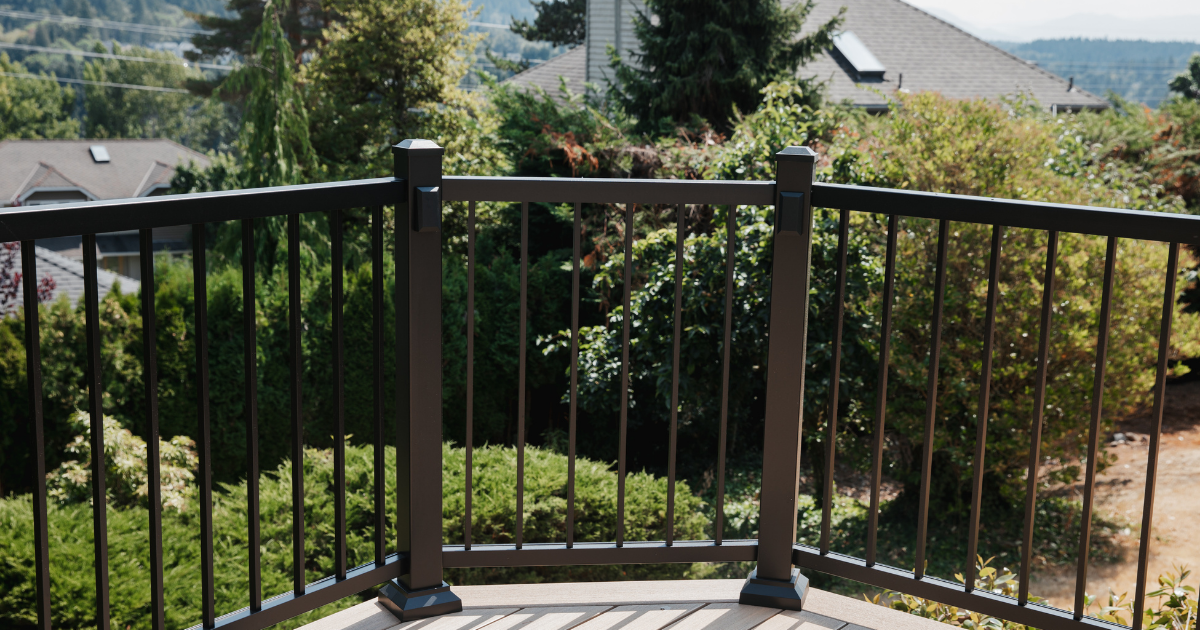
Before we compare materials, it helps to look at a few factors that influence what “best” really means for you.
PNW Weather: Rain, Moisture, and Moss
In Lynnwood, our weather plays a major role. Constant moisture can cause:
- Wood to rot or splinter
- Metal to rust if not coated properly
- Moss and mildew buildup
- Hardware loosening over time
- Finish fading or peeling
This is why homeowners often lean toward low-maintenance, moisture-resistant railing systems like aluminum, composite, cable, or glass.
Local Building Codes and Safety Requirements
Deck railing installation isn't just about looks. We need to meet:
- Required railing height
- Proper spacing between balusters or cables
- Secure blocking and post support
- Correct hardware and fastening methods
- Stair railing rules
- Structural load requirements
Hiring a professional means your deck gets built safely and passes inspection without any surprises.
Your Style and Outdoor Living Goals
Ask yourself what matters most:
- Do you want unobstructed views?
- Do you want privacy?
- Do you love a modern, sleek design?
- Do you prefer a classic wood look?
- Do you want the lowest maintenance possible?
Your lifestyle and how you use your outdoor space will help guide the perfect match.
Top Deck Railing Options for Lynnwood Homes
Below, we’ll walk through the top materials and systems we install for homeowners. We'll share what each railing is great for, where it may fall short, and how it performs in Lynnwood’s climate.
Aluminum Railing — Low-Maintenance and Long-Lasting
If you're looking for a modern, clean railing with very little upkeep, aluminum is an excellent choice.
Why homeowners love it:
- Incredibly durable and rust-resistant
- Lightweight, strong, and stable
- Powder-coated finishes stand up to PNW weather
- Very low maintenance — usually just a rinse
- Sleek, modern design that fits many homes
- Black finishes are extremely popular
Drawbacks:
- Scratches on powder-coated surfaces are difficult to repair
- Not ideal if you want a traditional wood look
Best for:
- Homeowners who want effortless maintenance
- Modern deck designs
- Wet climates like Lynnwood where durability matters most
Composite Railing — Wood Look, No Wood Maintenance
Composite railing gives you the look of wood without the hassle of constant staining or sealing.
Why homeowners choose composite:
- Mimics the warmth and style of natural wood
- No need to stain, paint, or seal
- Resistant to rot, warping, and moisture
- Long-lasting color options
- Works beautifully with composite decking (Trex, TimberTech, etc.)
Drawbacks:
- Higher initial cost compared to wood
- Slightly bulkier appearance than cable or aluminum
Best For:
- Homeowners who want a classic, timeless look
- Decks that need a cohesive color-matched railing system
- Families wanting a sturdy, kid-friendly railing
Wood Railing — Natural and Warm, But Higher Maintenance
Wood railings offer natural charm that no other material can fully replicate. But in the Pacific Northwest, they require more upkeep.
Why wood still wins for some:
- Beautiful, warm, organic look
- Easy to cut, repair, and customize
- Works for classic craftsman or traditional homes
- Can be stained or painted to match your style
Drawbacks:
- Requires regular staining or sealing
- Prone to rot, splitting, and weathering
- Shorter lifespan than composite or aluminum
Best for:
- Homeowners who love the look and don’t mind occasional maintenance
- Matching existing wood trim, fences, or architectural elements
Cable Railing — Minimal, Modern, and View-Friendly
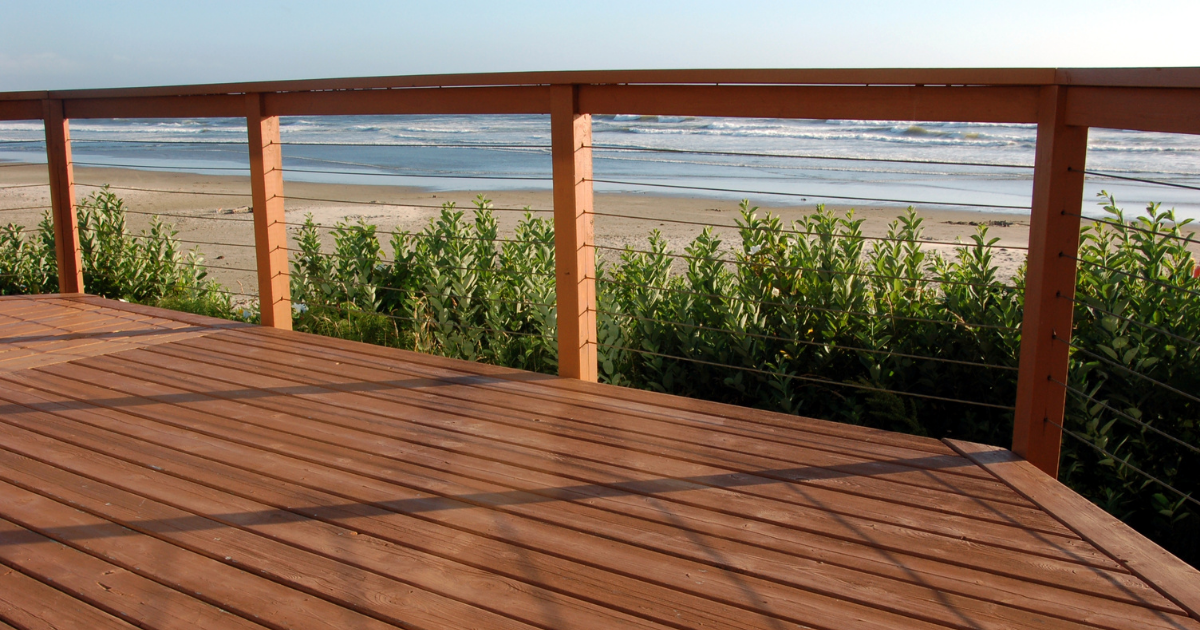
Cable railing offers a sleek, open design that keeps your view clear and your deck stylish.
Why cable railing is popular in Lynnwood:
- Extremely modern and clean lines
- Provides unobstructed views
- Great choice for smaller decks since it opens up the space
- Pairs well with composite or aluminum posts
- Very durable when installed correctly
Drawbacks:
- Requires occasional tensioning
- Higher initial cost
- Not ideal if you prefer a traditional look
Best for:
- View decks or elevated decks
- Homeowners wanting a clean, contemporary design
- Anyone wanting to create the feeling of a larger outdoor space
Glass Deck Railing — Maximum Visibility and Wind Protection
Glass railing offers the most open and luxurious look you can add to a deck.
Why homeowners love it:
- Fully unobstructed views
- Adds a high-end, resort-style feel
- Blocks wind
- Makes small decks feel larger and brighter
Drawbacks:
- Highest cost among railing options
- Needs wiping to keep the glass clear
- Fingerprints and water spots show easily
Best for:
- Scenic views
- Modern homes
- Outdoor spaces where you want wind protection and visual openness
Additional Railing Styles We Install in Lynnwood
Beyond the primary materials, you can choose from several design-focused options:
Vertical Cable Railing
- Clean vertical lines
- Safer for kids and pets
- Great for stairs
Horizontal Rod Railing
- Modern metal profile
- Streamlined appearance
Cocktail Railing
- A flat, wide top rail that doubles as a drink ledge
- Ideal for entertaining
Steel Railing
- Heavy-duty strength
- Perfect for commercial or high-traffic environments
Privacy Deck Railing
- Frosted glass or privacy panels
- Block wind and neighbor views
Custom Railing
- Mix materials
- Unique infills
- Personalized color and design options
How to Choose the Best Deck Railing for Your Lynnwood Home
Here’s a quick guide to help you narrow it down based on your priorities.
If You Want Maximum Views
Choose:
- Glass railing
- Cable railing
Both systems open up your outdoor space and keep sightlines clear.
If You Want the Lowest Maintenance
Choose:
- Aluminum railing
- Composite railing
These options stand up well to Lynnwood’s damp climate with almost zero upkeep.
If You Prefer a Traditional Look
Choose:
- Wood railing
- Composite railing
Both match classic architecture and craftsman-style homes that are common in the area.
If You Love Modern Design
Choose:
- Cable railing
- Glass railing
- Aluminum railing
These systems offer clean lines, minimal profiles, and a sleek finish.
If You Want a Budget-Friendly Choice
Choose:
- Composite railing (cost varies but predictable)
- Aluminum railing (lower maintenance long-term)
Wood is the cheapest upfront, but long-term maintenance makes it more expensive over time.
How Much Does Deck Railing Cost in Lynnwood?
Your total price depends on:
Material
- Glass and cable → higher
- Aluminum and composite → mid-range
- Wood → lowest upfront, highest long-term cost
Labor
- Posts, hardware, angles, stair railing, blocking
- Installation difficulty affects price
Accessories
- Lighting
- Top rail upgrades
- Custom infill
- Color options
Deck Layout
- Wrap-around decks
- Multi-level decks
- Staircases
A professional deck contractor can give you a clear quote once we know your layout and railing goals.
DIY vs Hiring a Lynnwood Deck Railing Contractor
Installing deck railing seems easy, until it isn’t. Railings are one of the most safety-critical parts of your deck.
Here’s what often goes wrong in DIY installs:
- Posts aren’t blocked or braced correctly
- Hardware is mismatched or incompatible
- Cable tension is incorrect
- Glass panels aren’t leveled
- Baluster spacing fails inspection
- Railing isn’t sturdy enough to pass load testing
When safety is at stake, a properly installed, code-compliant railing system is worth every bit of peace of mind.
So… Which Deck Railing Is Best for Your Lynnwood Home?
Here’s the honest answer: it depends on your priorities.
Best overall low-maintenance choice:
🪵 Aluminum or Composite
Best for scenic views:
🪟 Cable or Glass
Best for modern design:
🛠️ Aluminum, Cable, or Glass
Best for classic or traditional homes:
🧱 Wood or Composite
Best for privacy:
🛡️ Privacy railing or Frosted glass
No matter which one you choose, your railing should make your deck feel safer, more stylish, and more enjoyable — all year long.
Ready to Upgrade Your Deck Railing in Lynnwood?
If you’re planning a deck remodel or railing upgrade, we’d love to help you explore your options. We can walk you through materials, designs, local codes, and what will work best for your outdoor space.
Reach out anytime to start your project — we’re here to help you build a safer, better-looking deck you’ll love using every day.
FAQs
1. What kind of deck railing is best?
The best deck railing depends on what you value most. For low maintenance and long-term durability, aluminum and composite railings perform exceptionally well, especially in wet climates like Lynnwood.
For scenic views, glass and cable railings offer clear sightlines and a clean, modern look. If you prefer a warm, traditional style, wood railings provide natural beauty but require more upkeep.
The “best” choice ultimately aligns with your style, budget, and maintenance comfort level.
2. What is the most modern railing design?
The most modern deck railing designs are cable railings, glass railings, and slim aluminum systems. These options use clean lines, minimal hardware, and open infill panels to create a contemporary look.
Cable and glass are especially popular because they provide unobstructed views, making outdoor spaces feel wider, brighter, and more luxurious.
3. Do railings add value to a home?
Yes, adding or upgrading deck railings can increase your home’s value. A high-quality railing improves safety, curb appeal, and overall visual appeal, which buyers notice immediately.
Low-maintenance materials like aluminum, composite, and cable also signal long-term durability, making your outdoor living space more attractive and functional.
4. What deck railing is easiest to maintain?
Aluminum and composite railings are the easiest to maintain. Both resist moisture, rot, UV fading, and insect damage, requiring little more than an occasional rinse.
Cable railing also offers low maintenance but may require periodic tensioning. Wood railings need the most upkeep due to staining, sealing, and weather exposure.
5. Which deck railing is best for views?
Glass and cable railings are the best options for unobstructed views. Glass panels create a completely open sightline while blocking wind, and cable railings maintain horizontal or vertical transparency for a sleek, modern look.
Both options make outdoor spaces feel more open and connected to the surrounding landscape.
6. What is the safest deck railing?
The safest deck railings are those built with strong posts, proper blocking, and code-compliant spacing. Vertical cable, aluminum, steel, and composite railings offer excellent structural strength and consistent infill spacing, making them safe for children, pets, and elevated decks.
Safety also depends heavily on proper installation rather than just material choice.
7. What is the cheapest deck railing option?
Wood railings are typically the cheapest option upfront. Pressure-treated lumber and cedar are budget-friendly choices that provide a classic look.
However, wood requires regular staining and sealing, so long-term maintenance costs can exceed the price of composite or aluminum railings over time.
8. How long do deck railings last?
Deck railing lifespan depends on the material. Aluminum and composite railings can last 20–30 years with minimal maintenance.
Glass and cable systems also offer long durability when installed properly. Wood railings usually last 10–15 years, depending on weather exposure and upkeep. Moisture-heavy regions like Lynnwood favor long-lasting, low-maintenance materials.


.svg)
.svg)


.svg)